Paris Field Notes: Les Bacchantes
Les Bacchantes
One of the places that kept returning as I wrote was Les Bacchantes.
At first, it could have been just a café. A useful room. A table near a window. Somewhere to order coffee and a croissant. But certain locations in a novel begin to accumulate charge. Characters return. Conversations happen there. People watch the street. News enters before anyone fully understands it.
Les Bacchantes became one of those places.
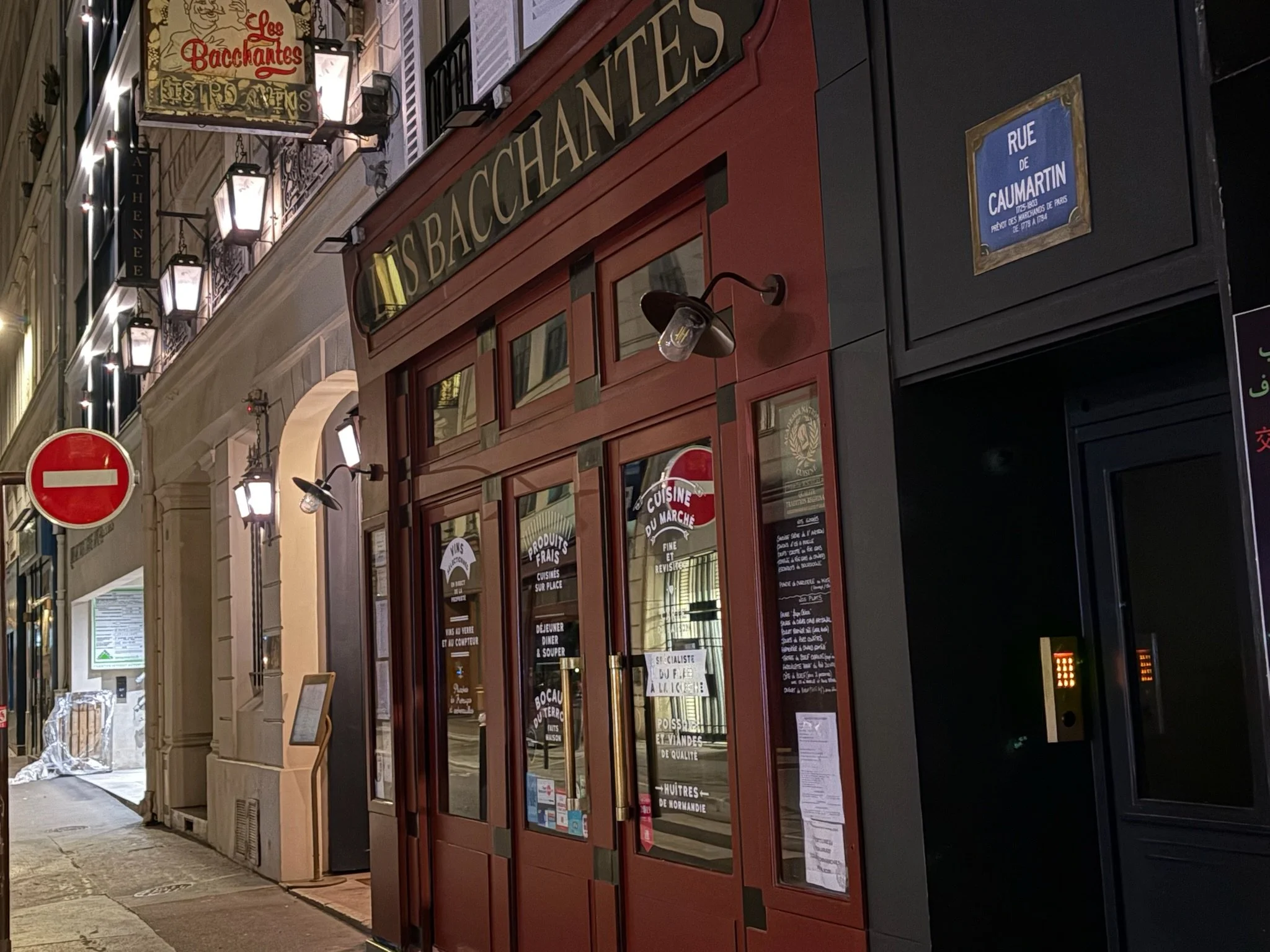
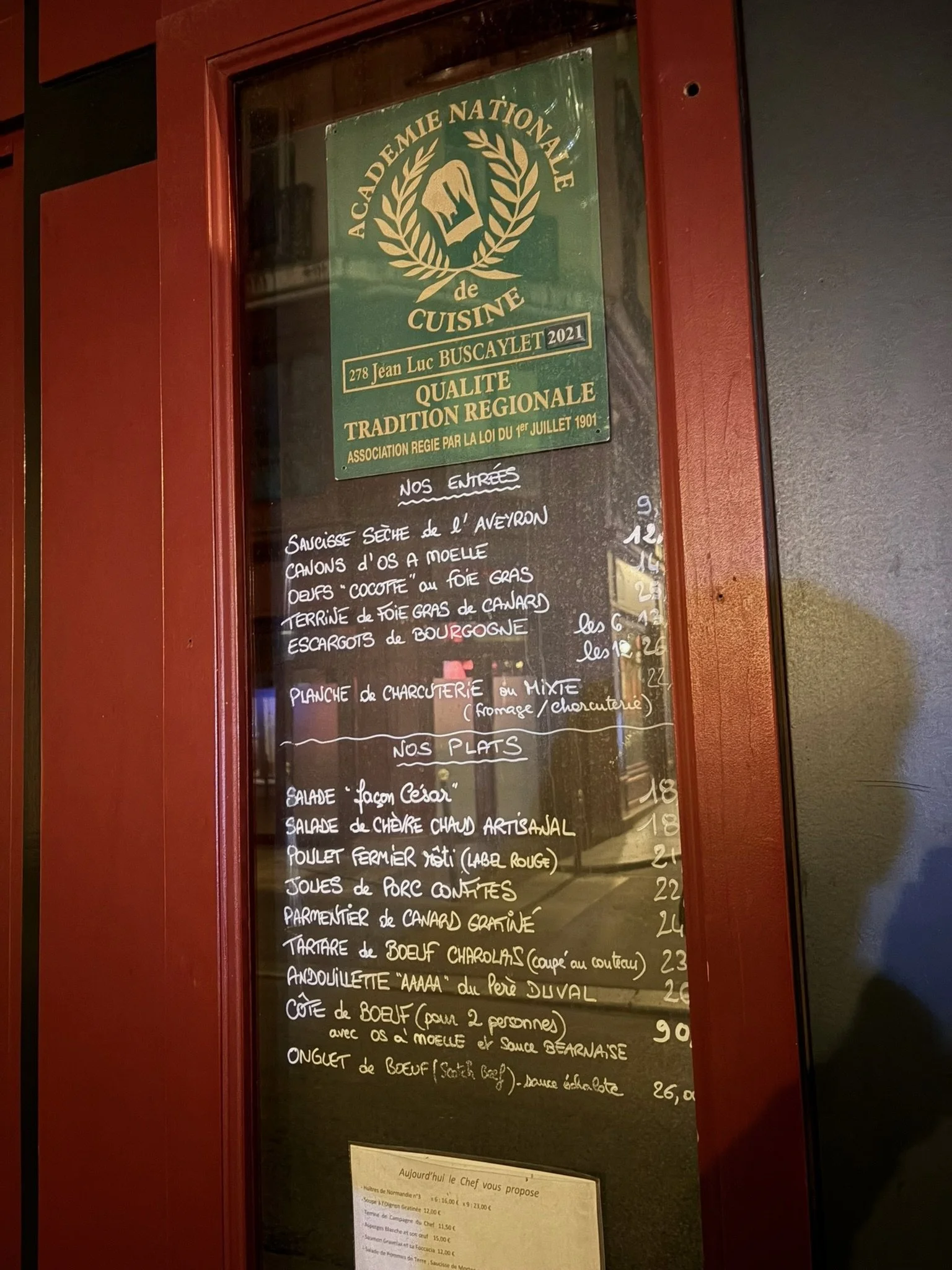
In the book, Les Bacchantes sits in the orbit of Olympia. It is a brasserie and boulangerie, a public-facing place where the neighborhood can breathe. It has the clatter and comfort of a working café. It is not as elite as Le Club Aéronautique, not as charged as La Fleur Bleue, not as hidden as Le Den du Turk. That makes it useful. It is porous. People pass through. Information moves. Class boundaries soften just enough for observation.
It recurs because cafés recur in real life.
They are where people wait, meet, gossip, recover, conspire, flirt, read the paper, avoid going home, and pretend not to be watching. In a city like Paris, the café is not only a hospitality business. It is a civic instrument. A pressure valve. A listening post.
For Inspector Truffaut, Les Bacchantes offers a place to observe Olympia in daylight, when the glamour has thinned and the street shows its seams. For Raquel and Danielle, it becomes a place of reunion, news, laughter, and recalibration. For the broader story, it functions almost like a neighborhood chorus: not central in the way a palace or theater is central, but essential because it keeps returning the story to street level.
That was important to me.
A world built only from grand rooms becomes ornamental. A world built only from alleys becomes grim. Olympia needed both. Les Bacchantes gives the block an everyday pulse.
