Opening the Doors to Olympia
The final mad dash toward Les Boulevardiers
Every book has a public release date. But before that, it has a stranger, more private moment: the instant it stops being a manuscript and becomes something real.
A thing with weight.
A thing with a spine.
A thing that can sit on a table, pass from hand to hand, collect fingerprints, invite argument, and become part of someone else’s imagination.
That is where we are now.
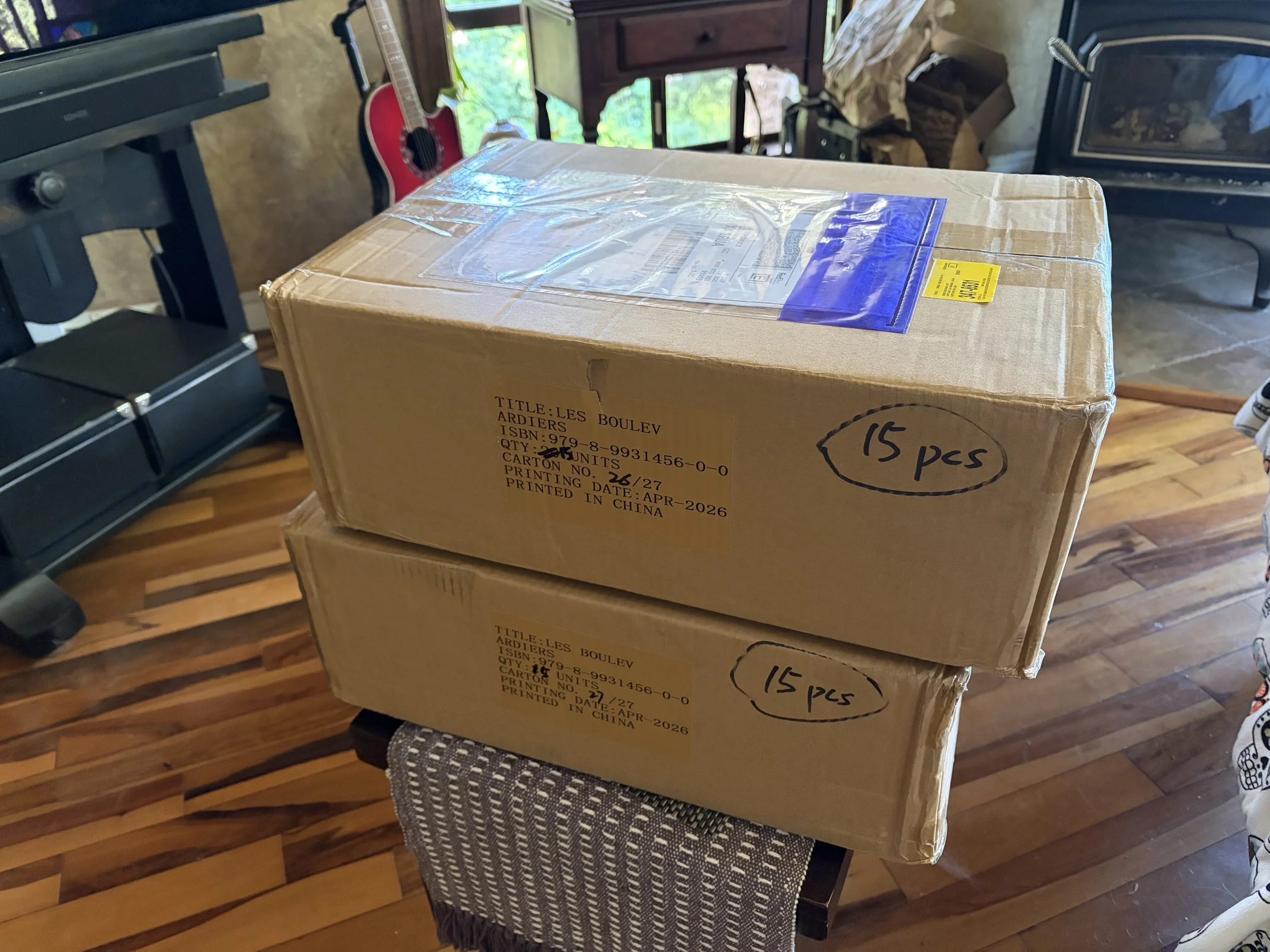
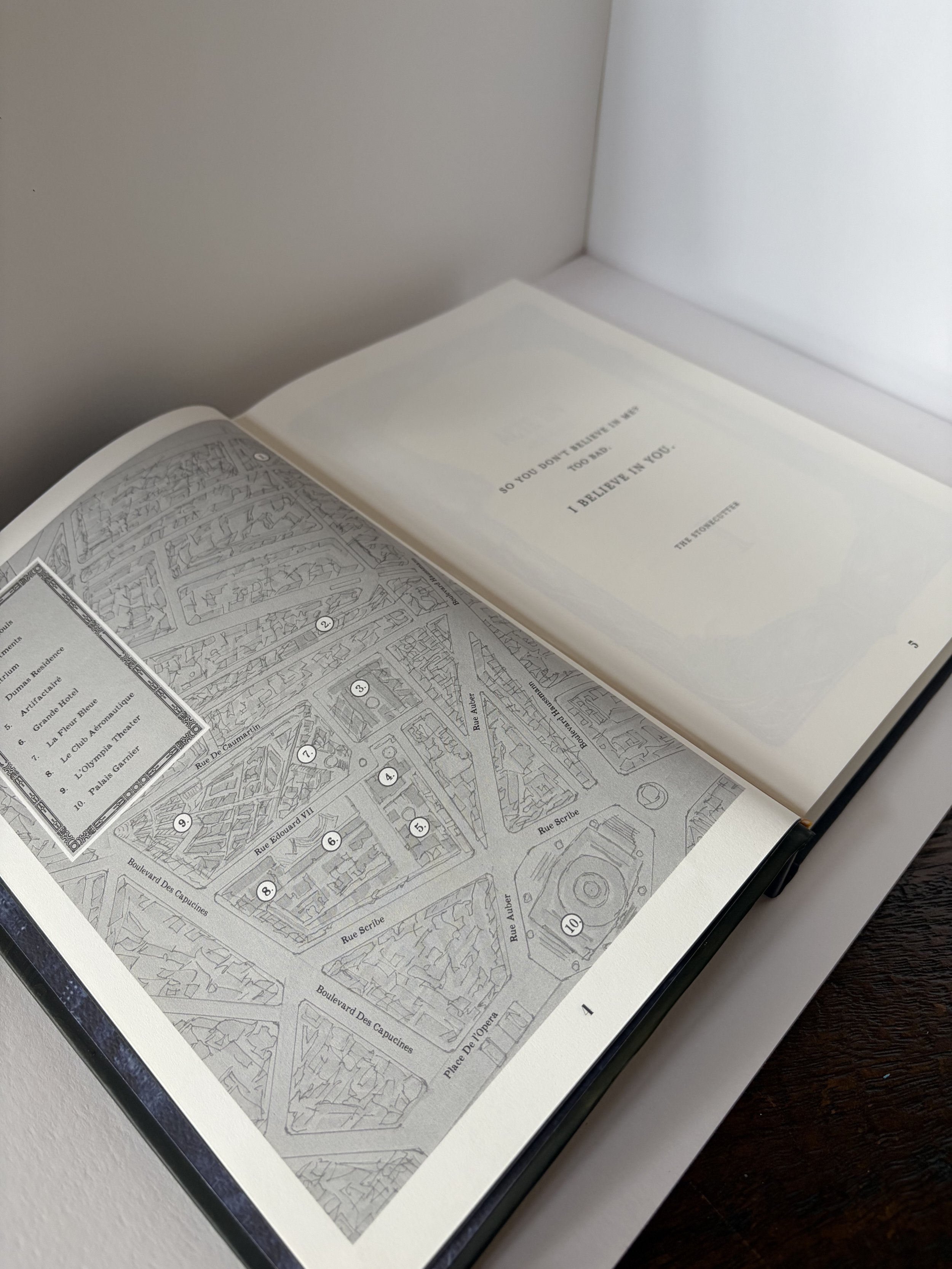
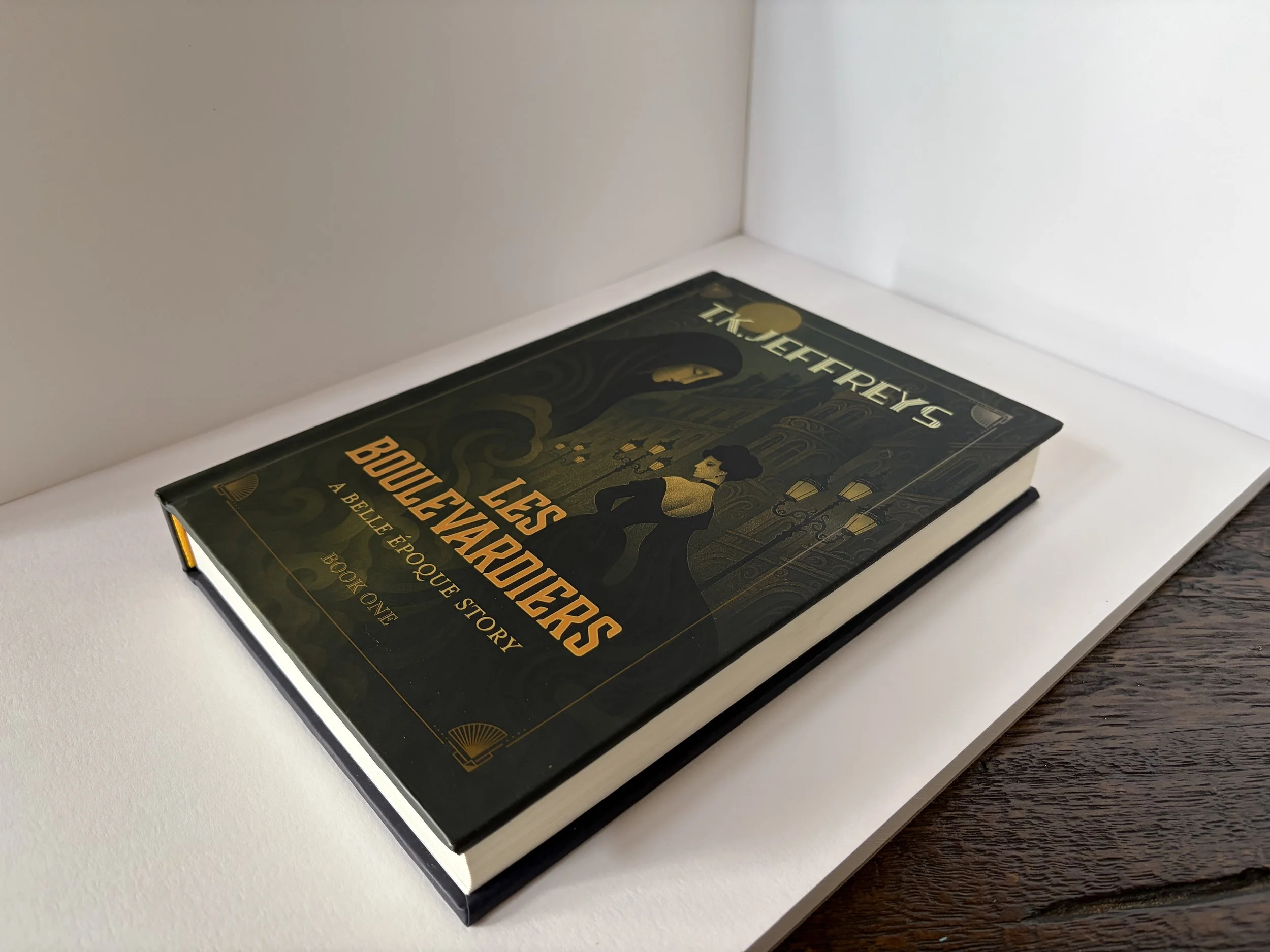
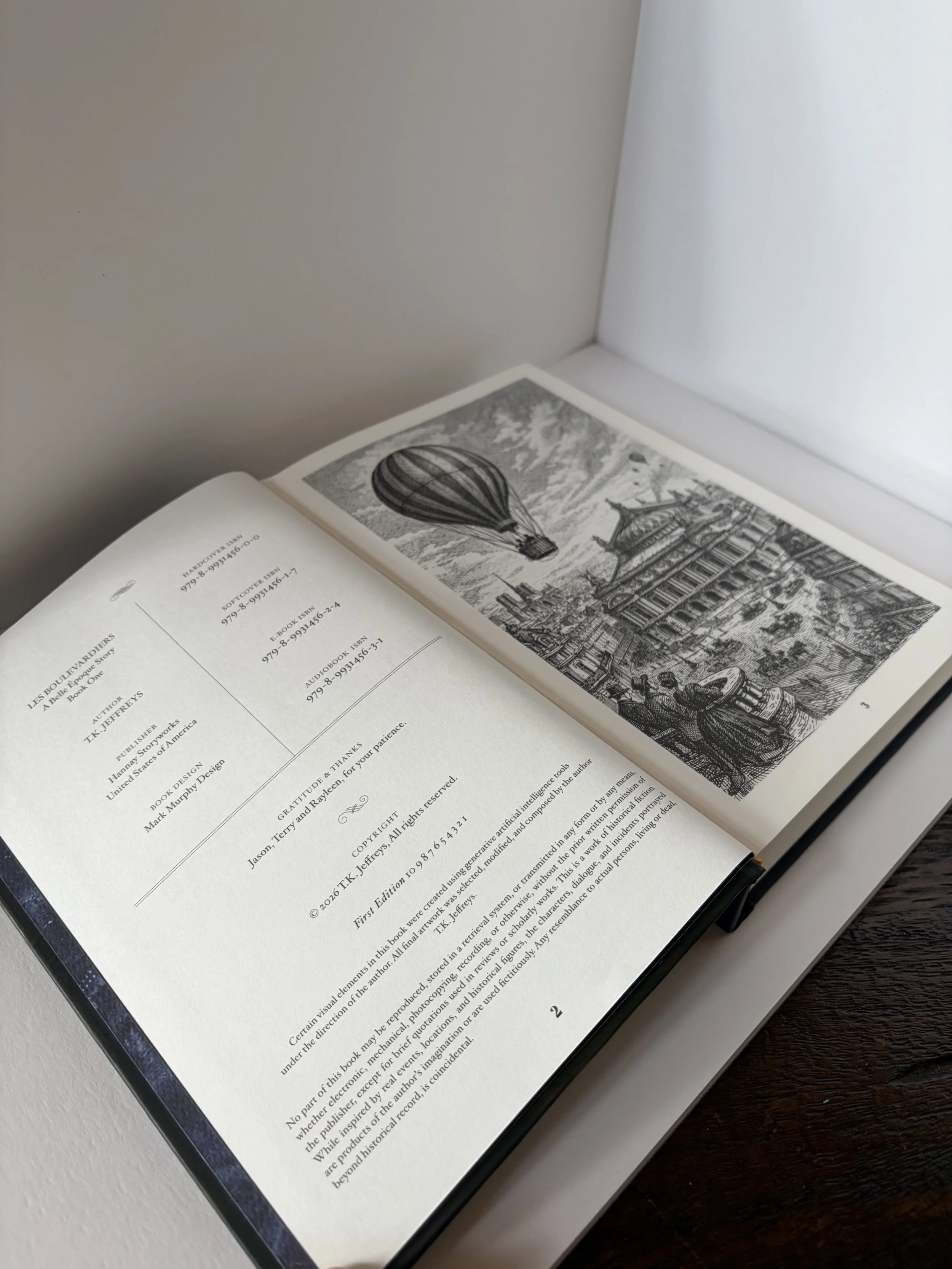
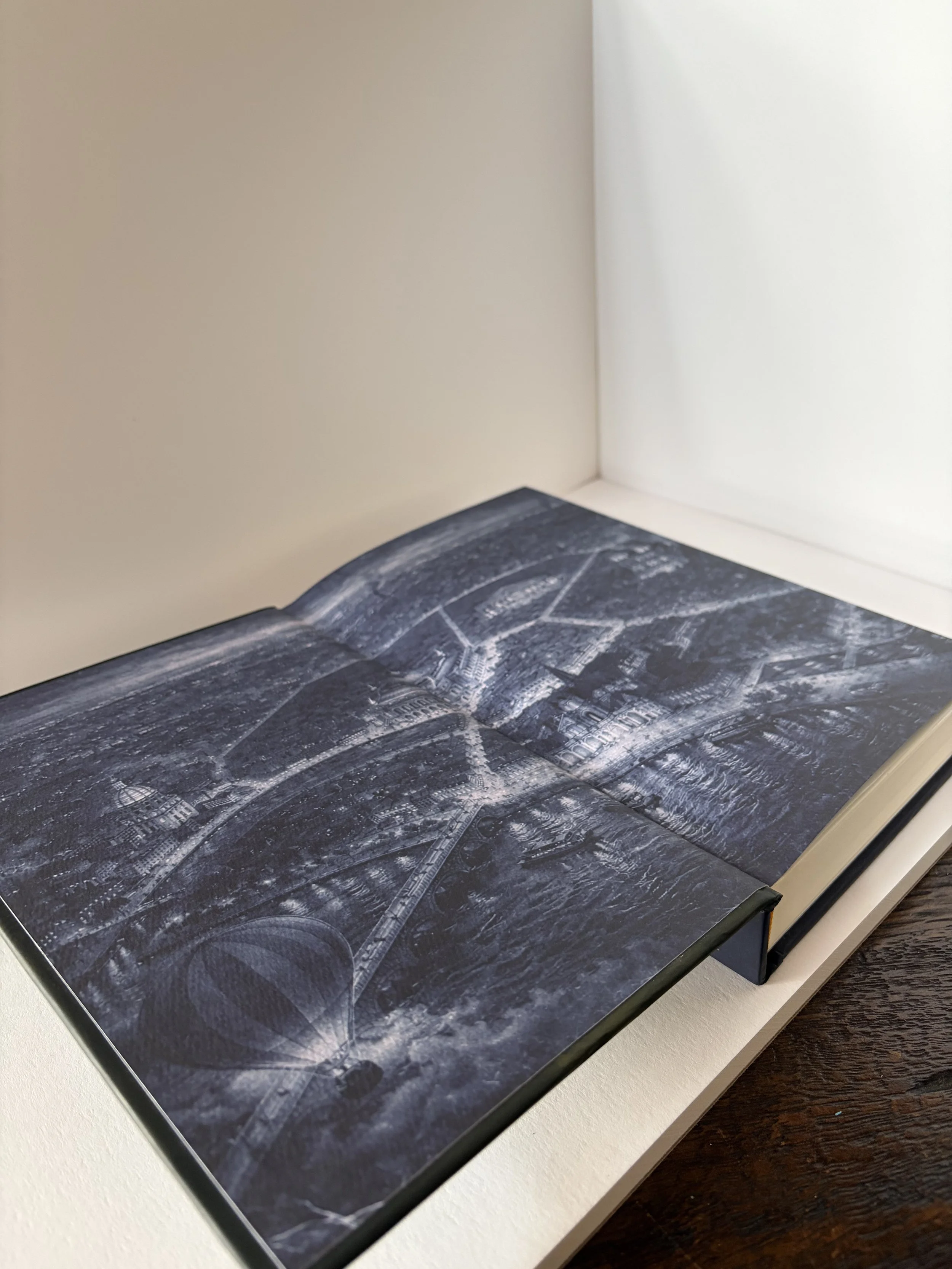
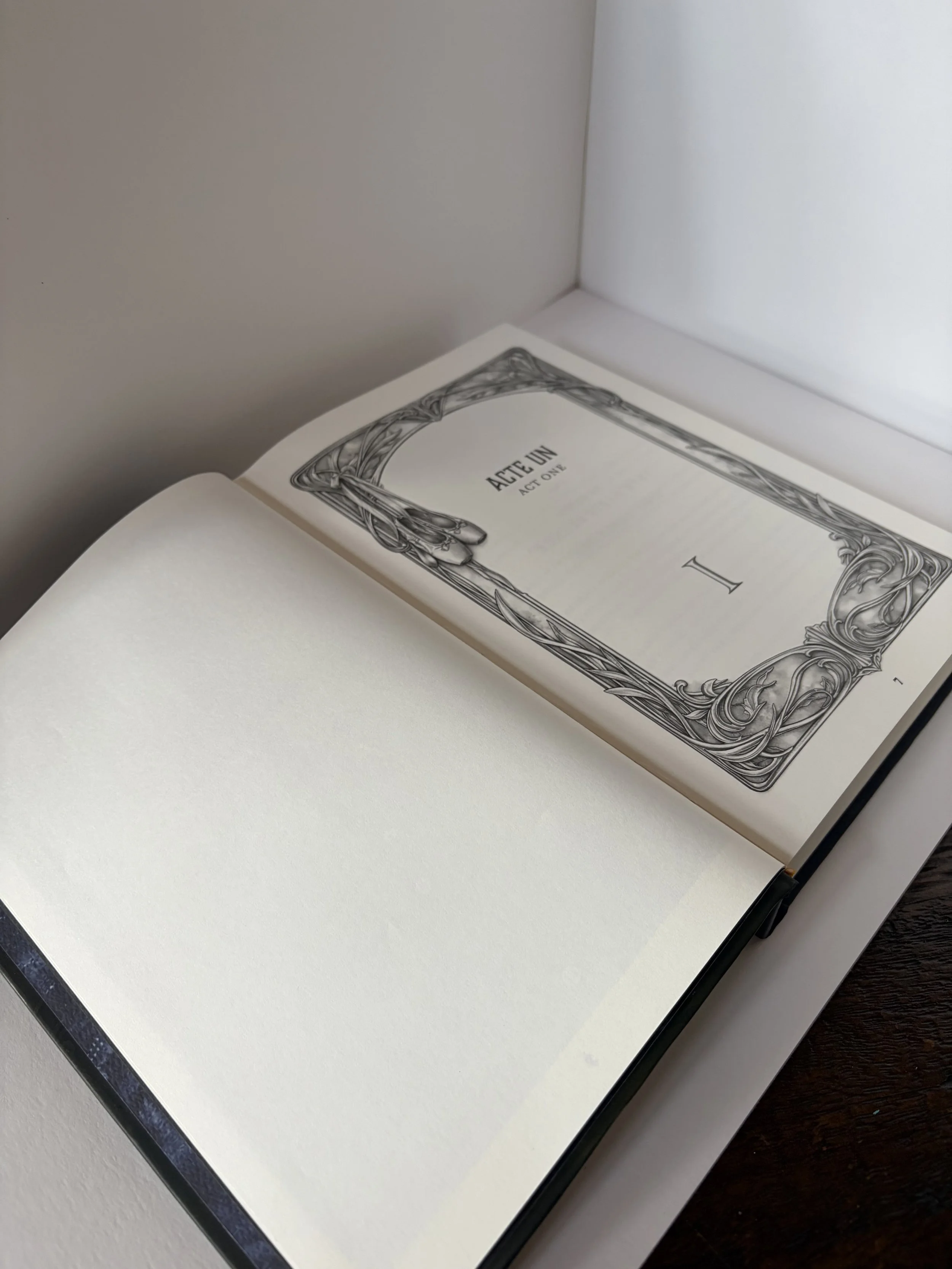
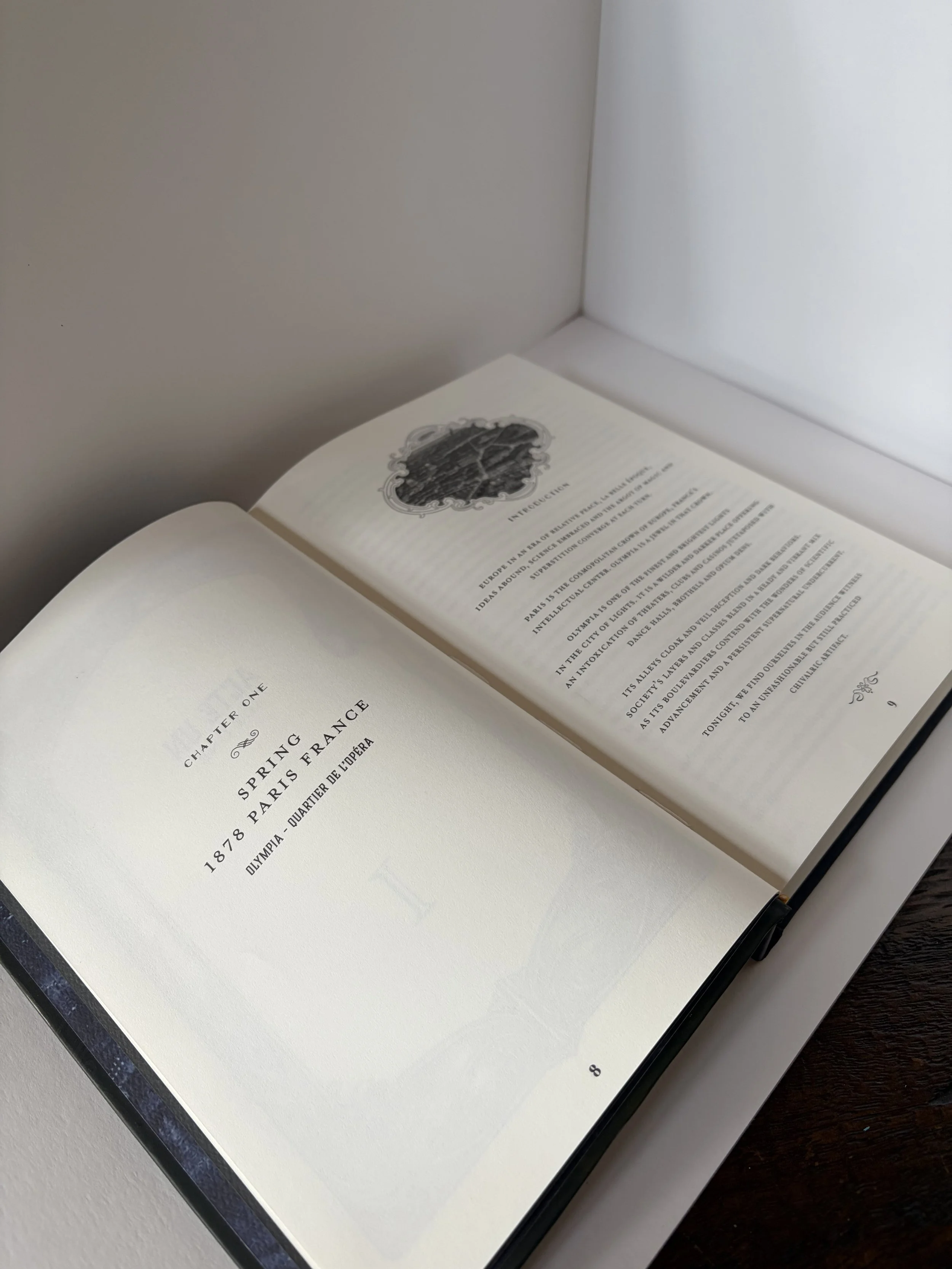
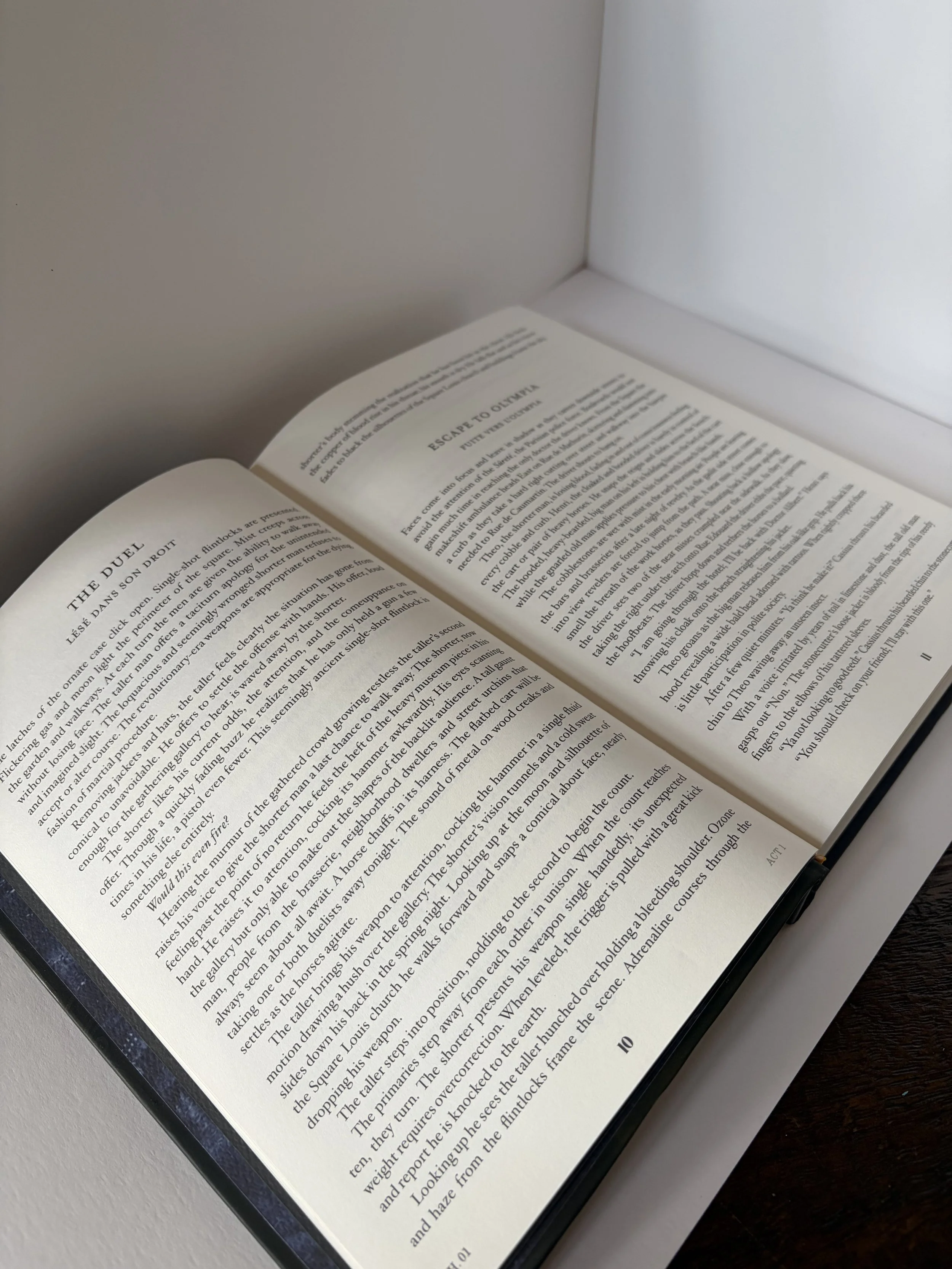
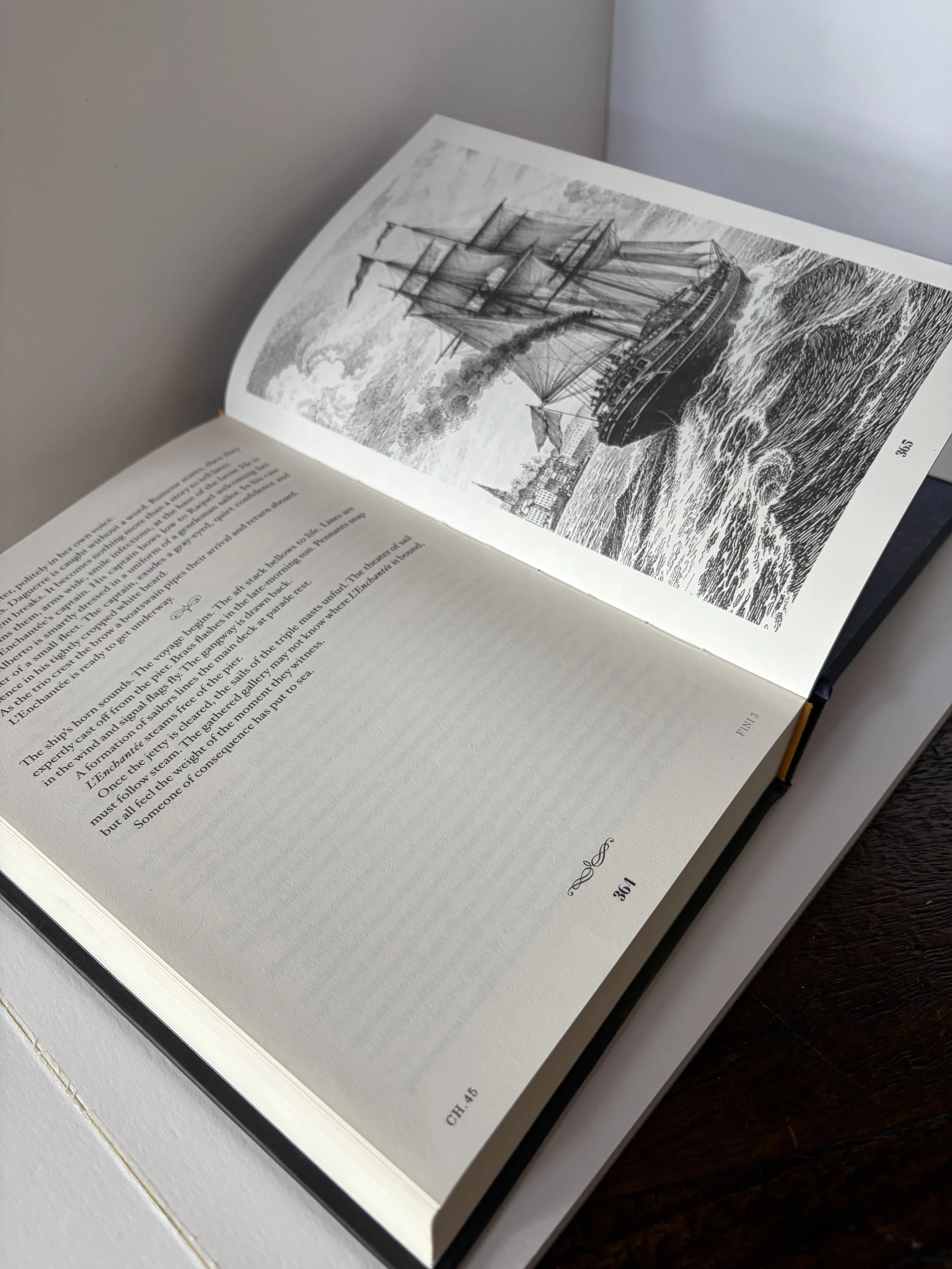
June is the final mad dash toward the launch of Les Boulevardiers. The book will be generally available on July 1, 2026. Before that, on June 13, we will gather early supporters and friends for a launch party, a small celebration before the doors open more widely.
It feels right that this first post begins with doors.
In the world of Les Boulevardiers, Olympia is more than a neighborhood. It is a stage, a trapdoor, a salon, a theater district, a pleasure quarter, and a machine for reinvention. Near the Palais Garnier, it glows with gaslight, ambition, music, smoke, silk, scandal, and the hum of new ideas. It is one of the brightest jewels in the City of Lights, and like all bright things, it casts long shadows.
That collision is the heart of the story.
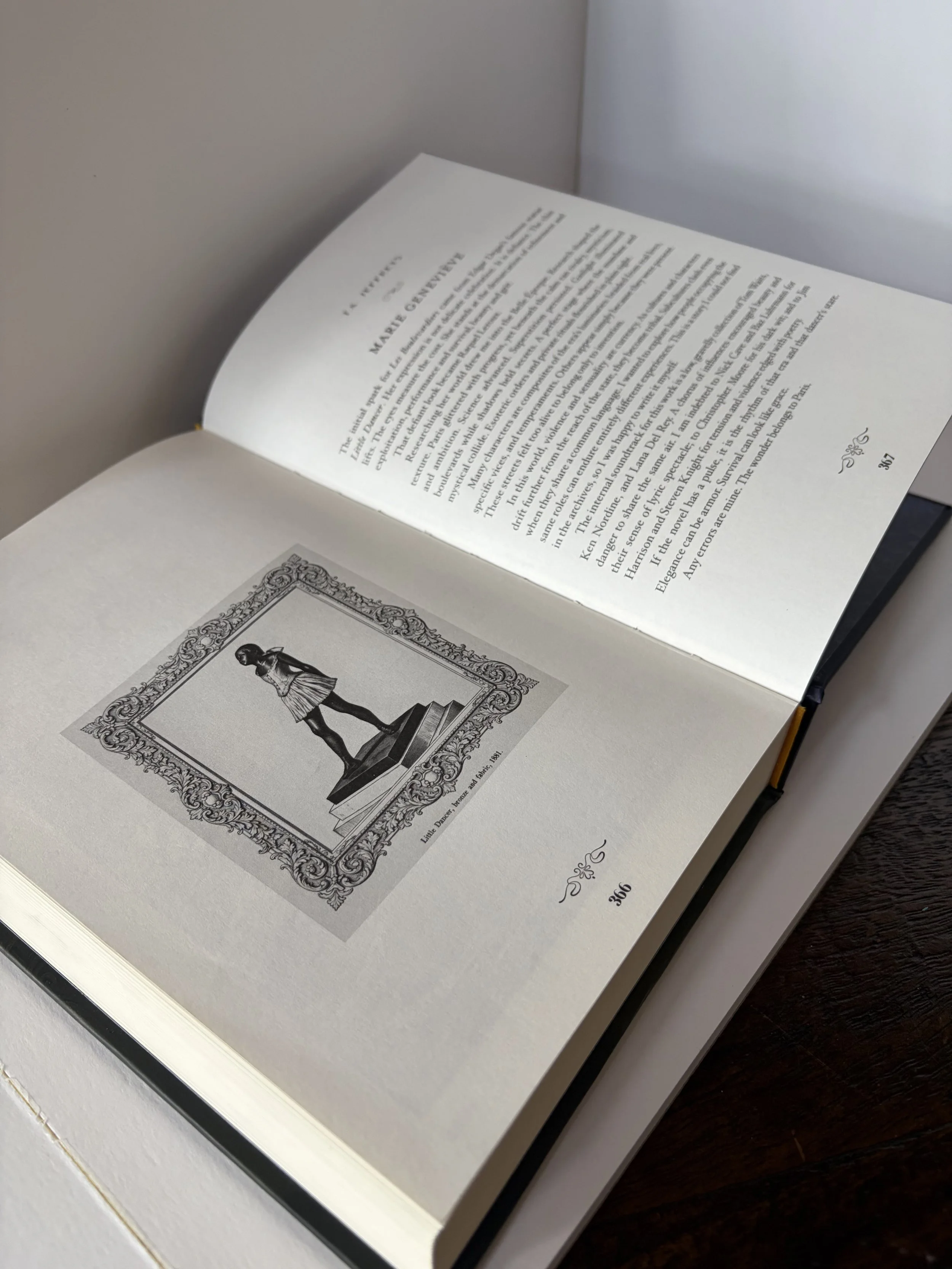
Les Boulevardiers began with an image: Degas’s Little Dancer. Not the sweetness people sometimes project onto her, but the defiance. The chin lifted. The eyes measuring the room. The sense of a young woman standing at the border of refinement and exploitation, performance and survival, beauty and grit.
That look became Raquel Leroux.
From there, the world widened. Belle Époque Paris became the perfect stage: a city in love with progress and haunted by everything progress failed to bury. Science advanced. Electricity arrived. Grand boulevards remade the city. The Exposition Universelle promised modernity to the world. Yet behind the polished doors, old rituals persisted. Secret societies whispered. Private clubs shaped fortunes. The demimonde understood power better than the men who claimed to own it.
Olympia became the place where all of those forces could meet.
This blog, Notes from Olympia, will be a record of that world and the world surrounding it. Some posts will explore the making of the book: the research, the locations, the design choices, the historical fragments, the Paris images, and the strange decisions that helped turn a manuscript into a finished object. Others will open side doors into the world of the novel: Belle Époque Paris, the Palais Garnier, courtesans, salons, theaters, duels, spiritualism, early technology, secret orders, and the strange glamour of a society rushing toward the future while dragging the past behind it.
There will also be notes from the road to publication. The romantic version of writing a book involves candlelight, inspiration, and perhaps a glass of something amber. The real version involves proofs, print files, shipping notices, web pages, postcards, reader lists, bookstore conversations, and a surprising number of small decisions that somehow become irreversible.
Both versions are true.
That may be one of the quiet lessons of this project. Every beautiful object has scaffolding behind it. Every performance has backstage labor. Every launch has its ledger. But here, in Notes from Olympia, I will try to keep one foot in the lantern glow and one foot backstage, sharing just enough of the making to deepen the experience of the story.
As July 1 approaches, I will use this space to share the final stretch: the launch party, early reader reactions, the first edition, the world behind the book, and the beginning of what comes next.
For now, the doors are opening.
Welcome to Olympia.
